Terms of Use
All images of this website are copyrighted. They must not be reproduced without prior permission by author.
Privacy Policy
Cookie Policy
Website Terms of Use
Works /
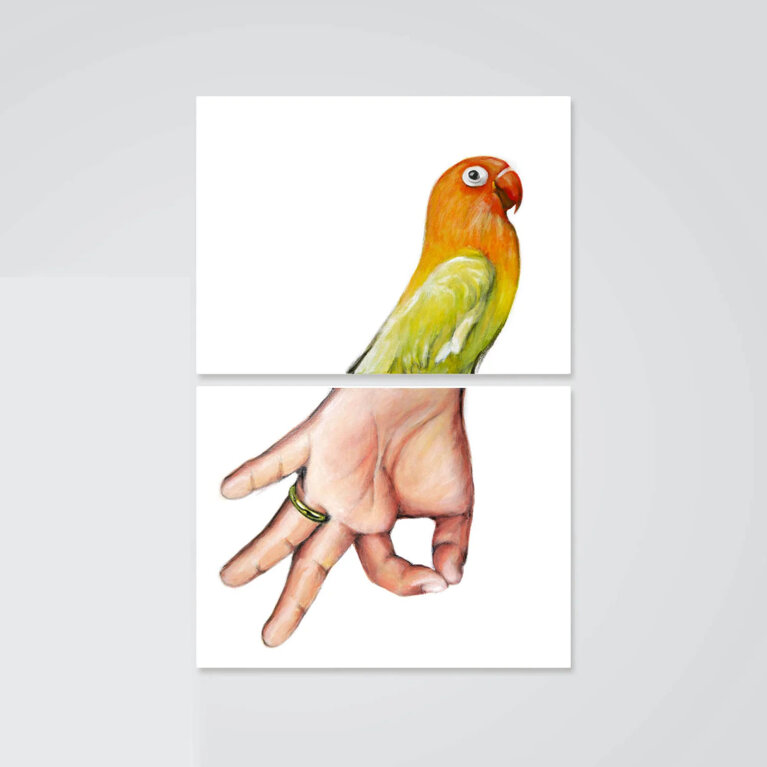
“TUTTUNO” (Animalia)
iLseparabile
Acrylic on canvas,
40 × 82 cm – diptych
The Genius of Venice
Acrylic on canvas
162 × 50 cm – diptych
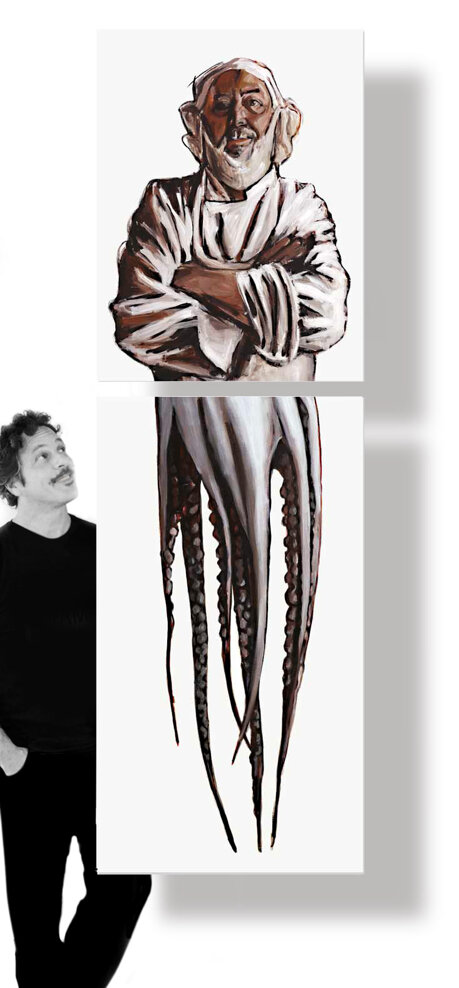
What is TUTTUNO? A contemporary personal epic in search of meaning.
A metaphor for the journey each of us takes through the Universe, where we inevitably encounter those fantastical creatures that have always inhabited the human imagination, somewhere between mystery and comforting amusements…
Critical Essays (at the bottom of the page):
Demiurgic Painting in Search of a Perimeter of Safety (click here)
— by Annalisa Cattani
Lorenzo Marabini, the Painter of Exchanges (click here)
— by Tobia Donà
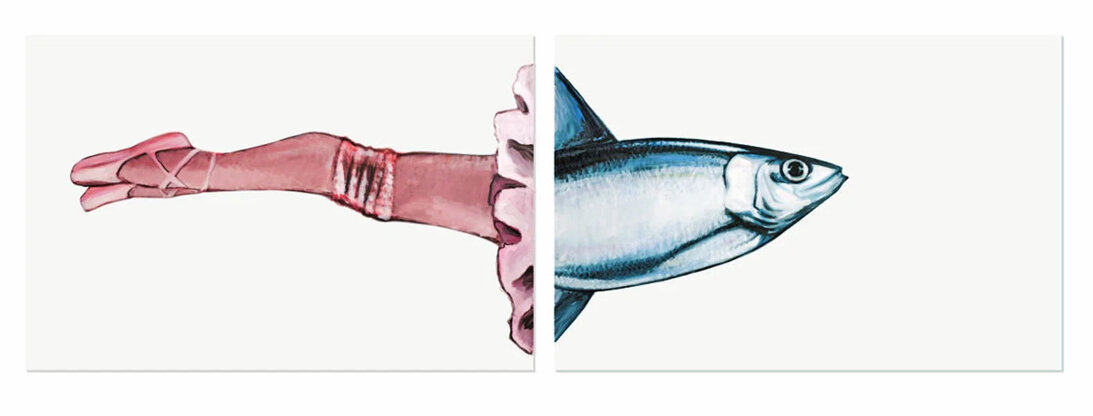
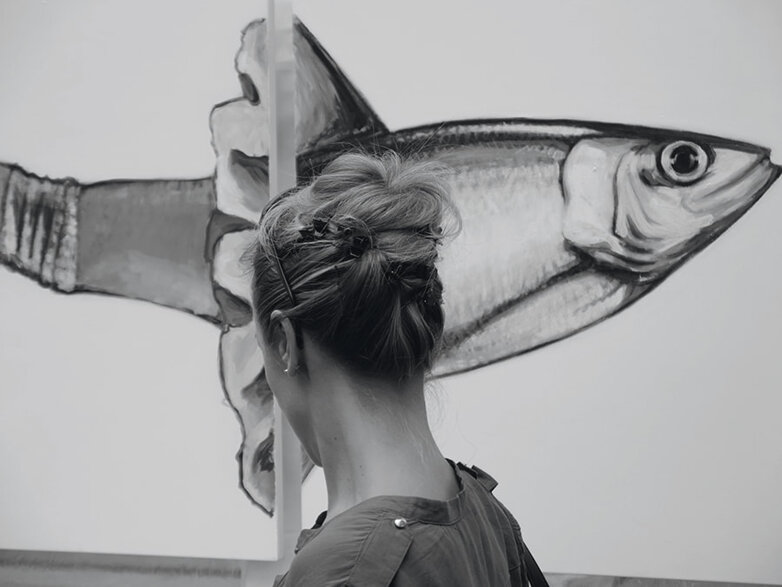
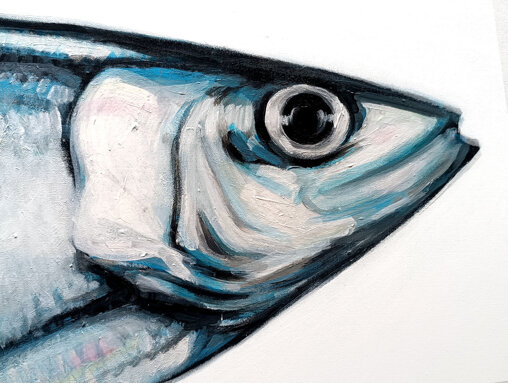
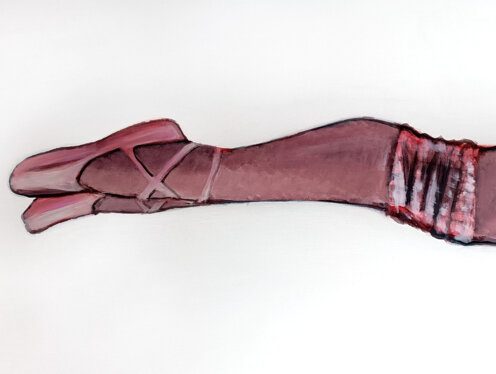
Sardina ballerina
acrylic on canvas
diptych – 243 × 80 cm
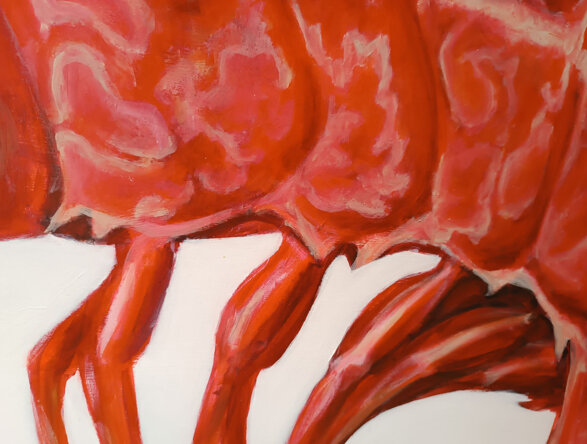
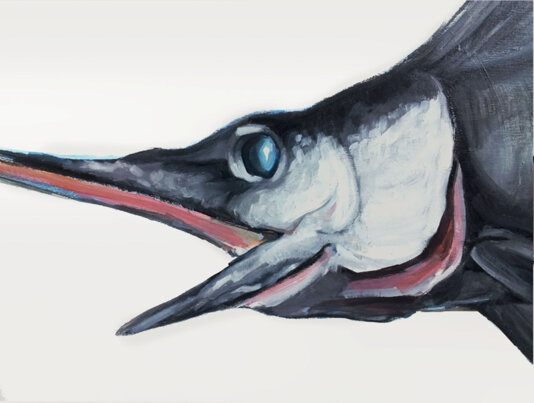
Gambero rotto
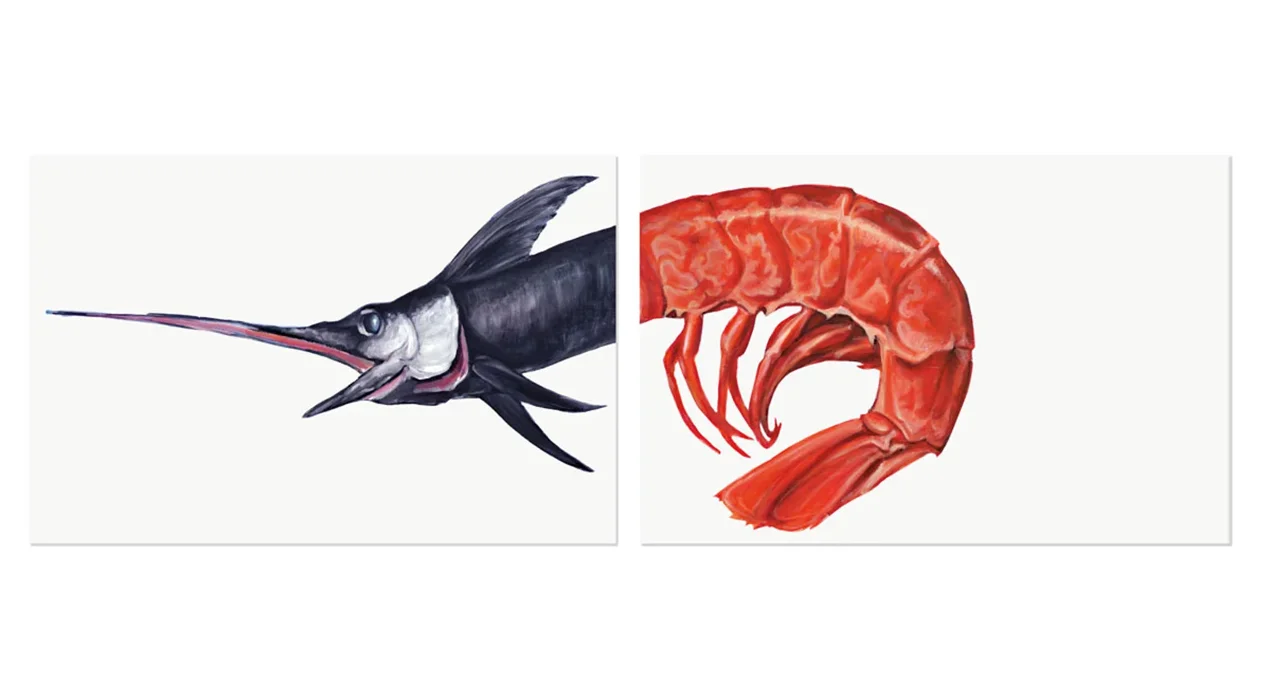
acrylic on canvas
diptych - 243 × 80 cm
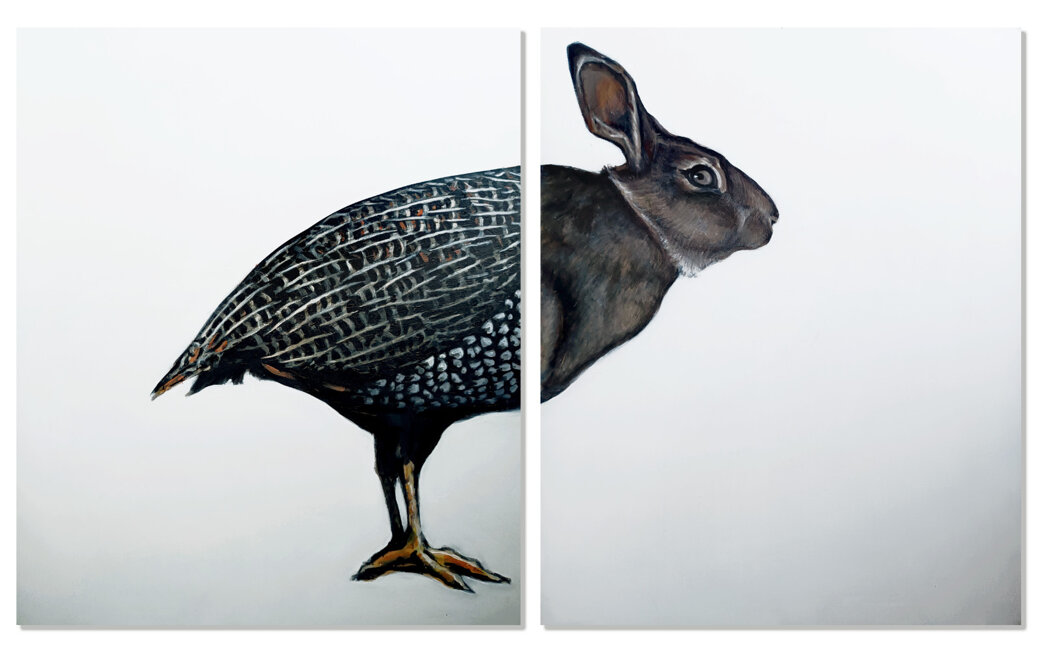
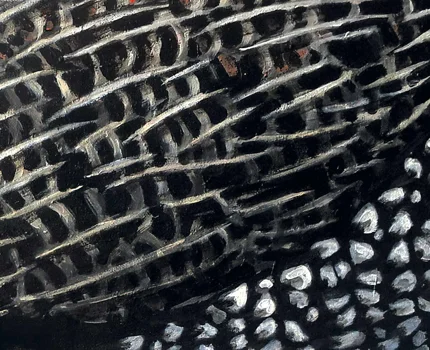
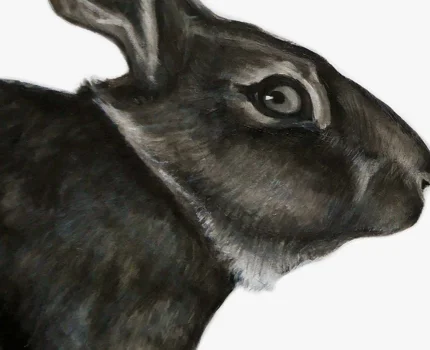
Il Quaniglio
acrylic on canvas
dyptich - 100 × 60 cm
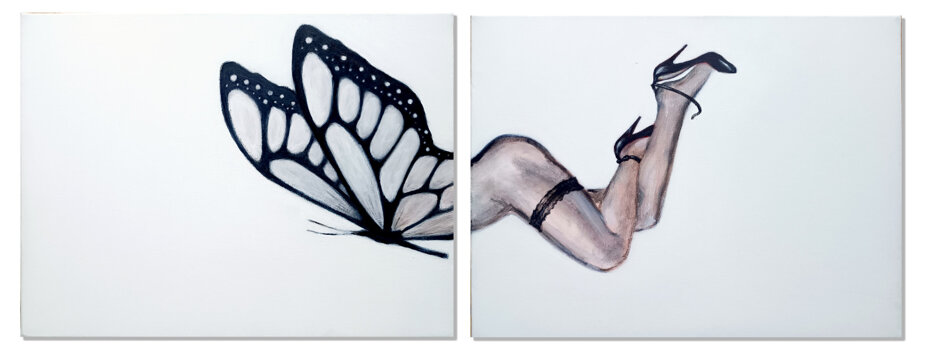
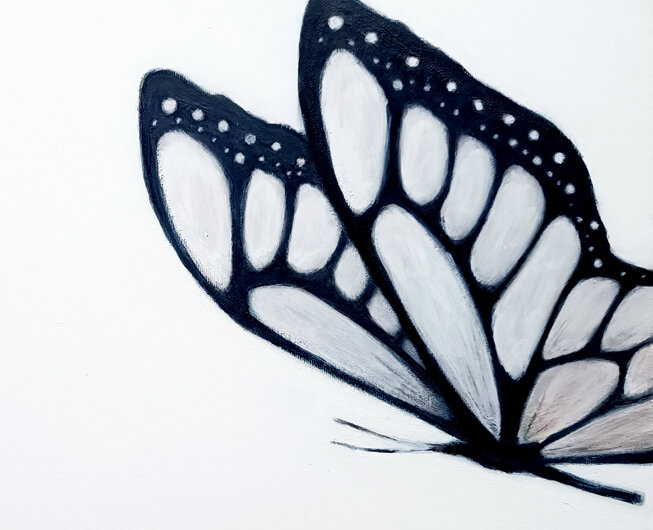
sFarfallina
acrylic on canvas
diptych -81x30 cm
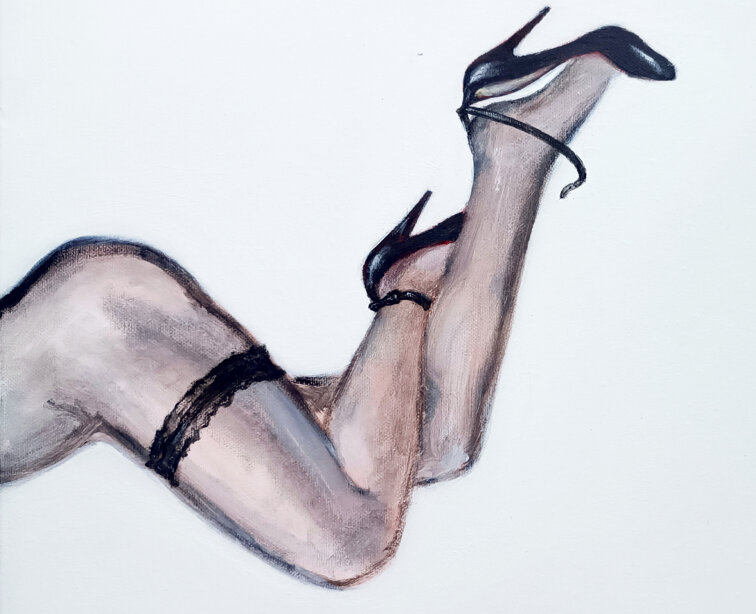
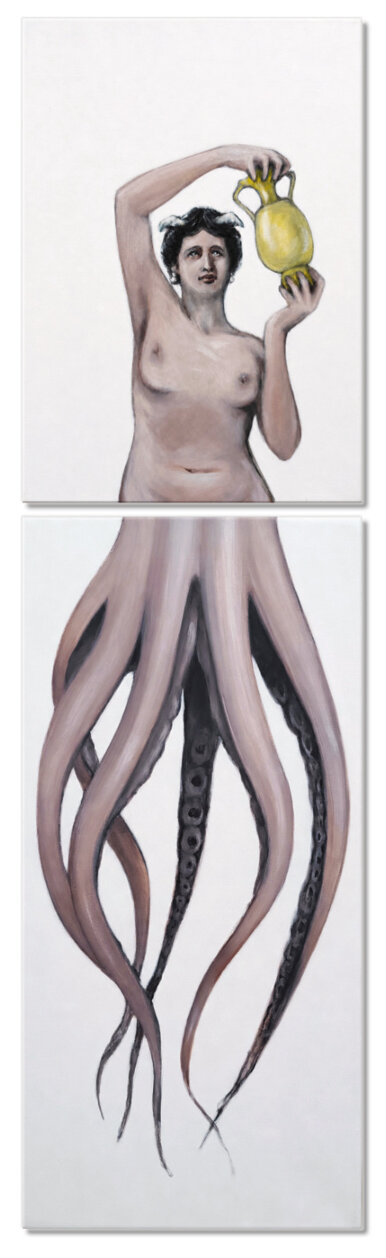
iDea meravigliosa
acrylic on canvas
diptych - 86x25 cm
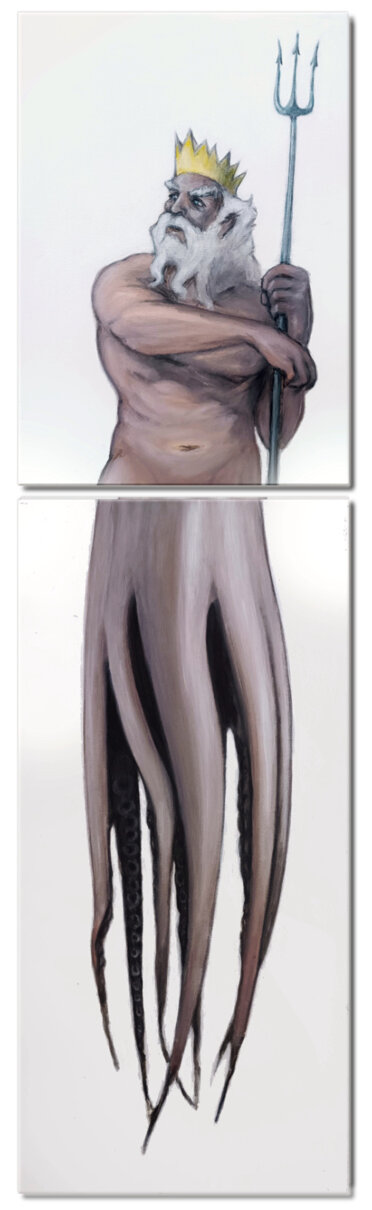
Nettuno è perfetto
acrylic on canvas
diptych - 86x25 cm
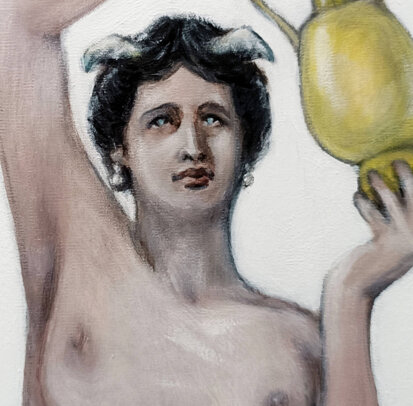
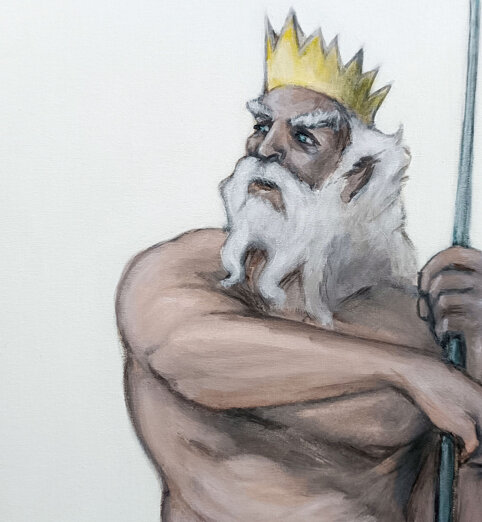
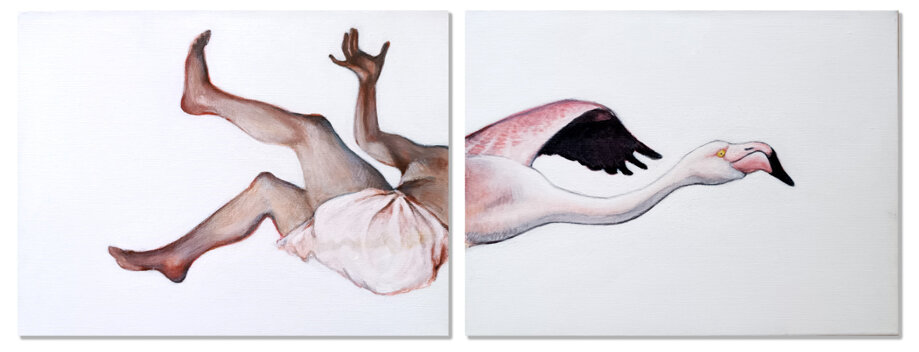
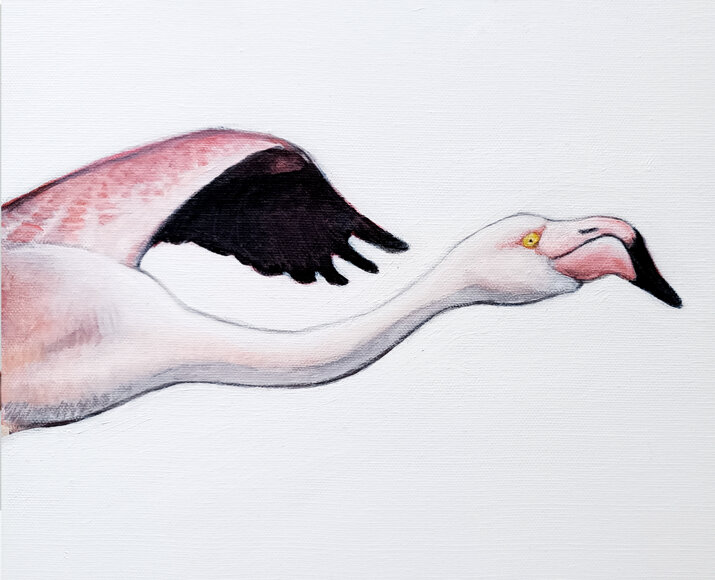
Make me sober flamingo
diptych – acrylic on canvas
81x30cm
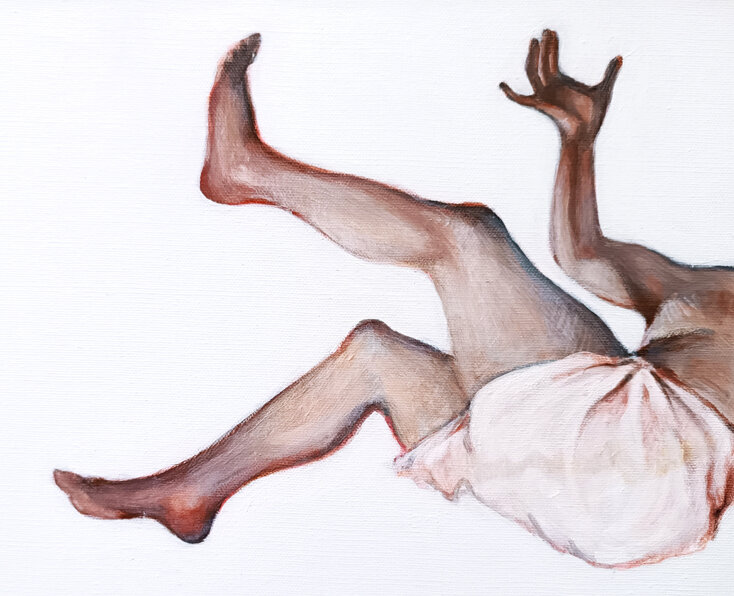
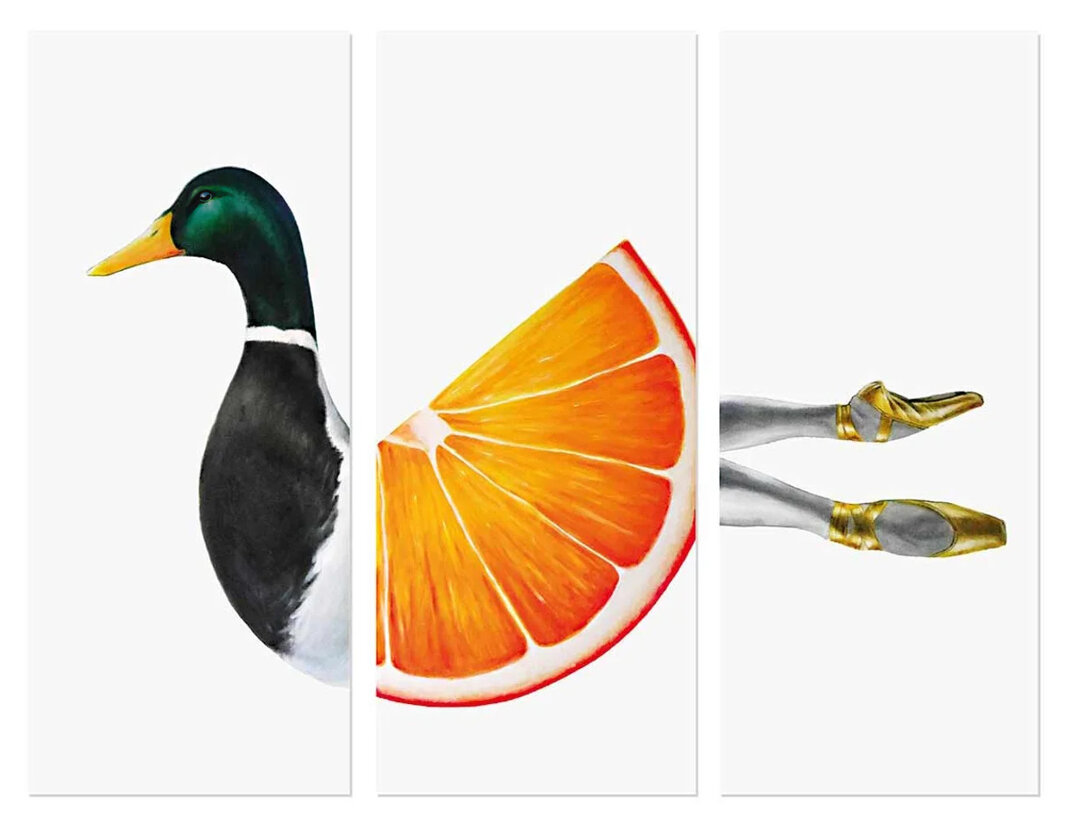
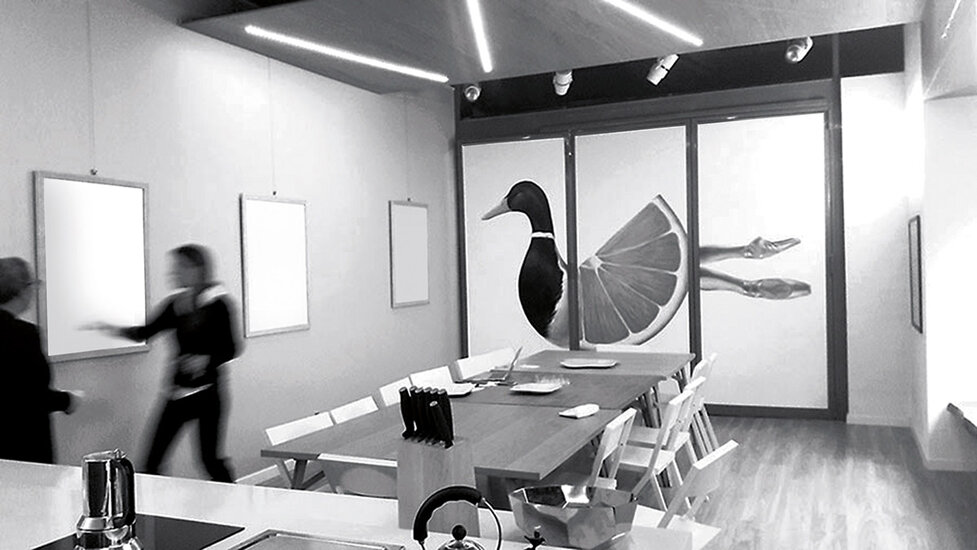
TIMballo di anatra all'arancia
triptych – acrylic on canvas
300 × 235 cm
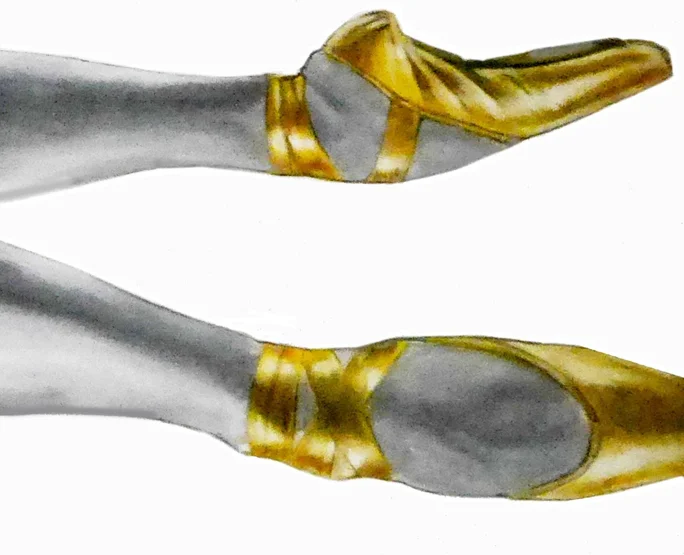
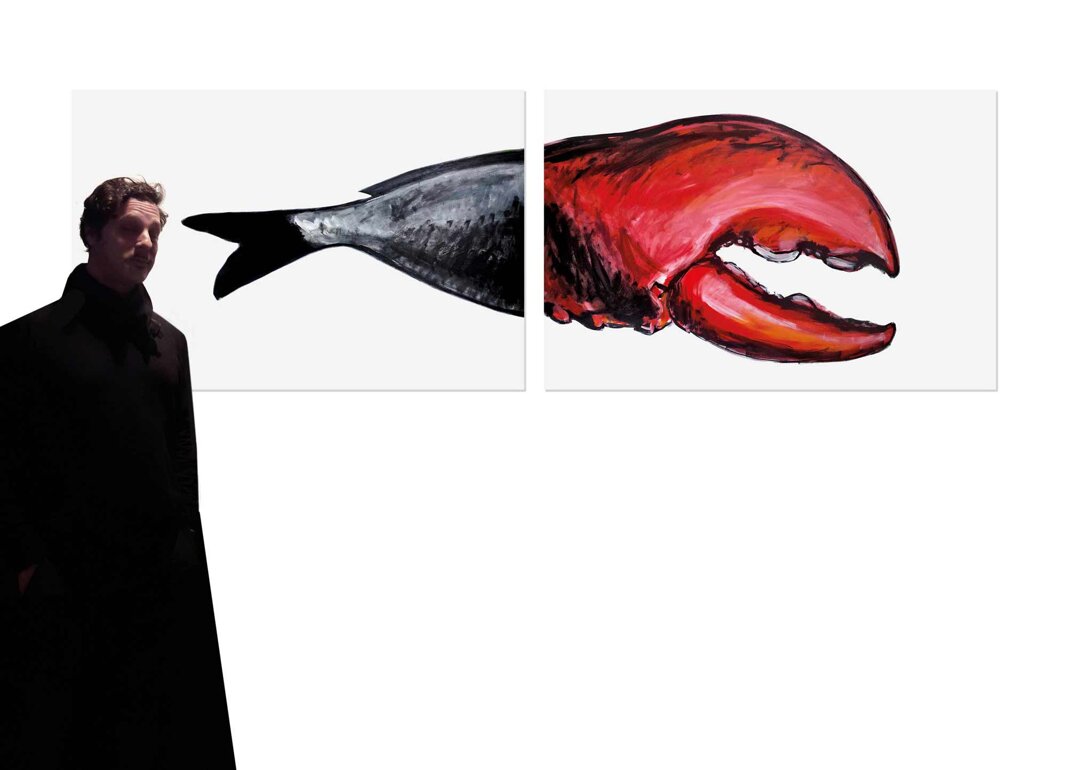
Chela dOrata
acrylic on canvas
diptych - 243x380 cm
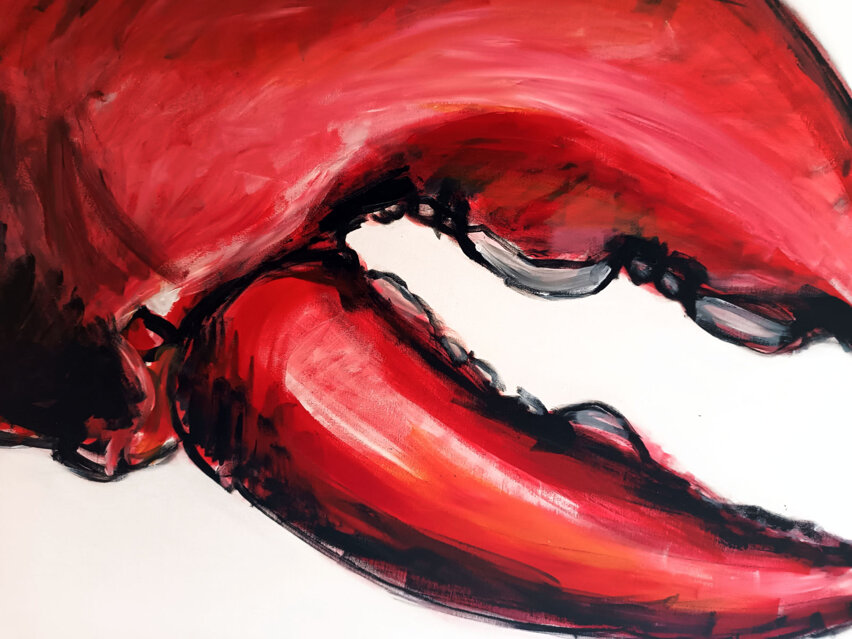
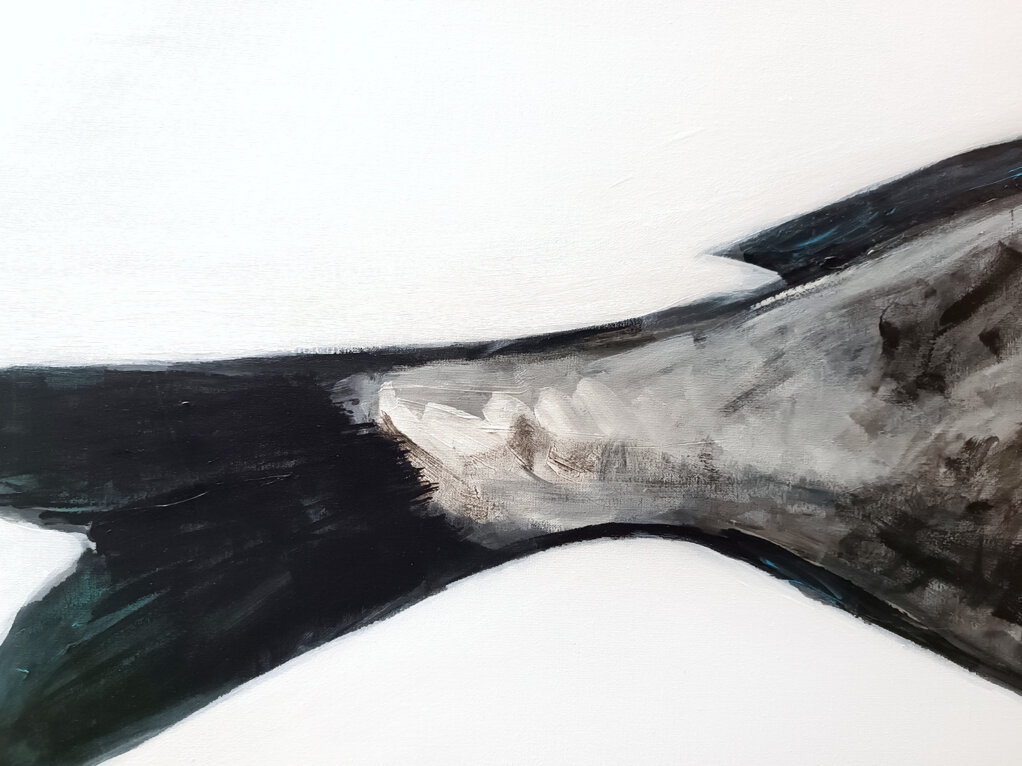
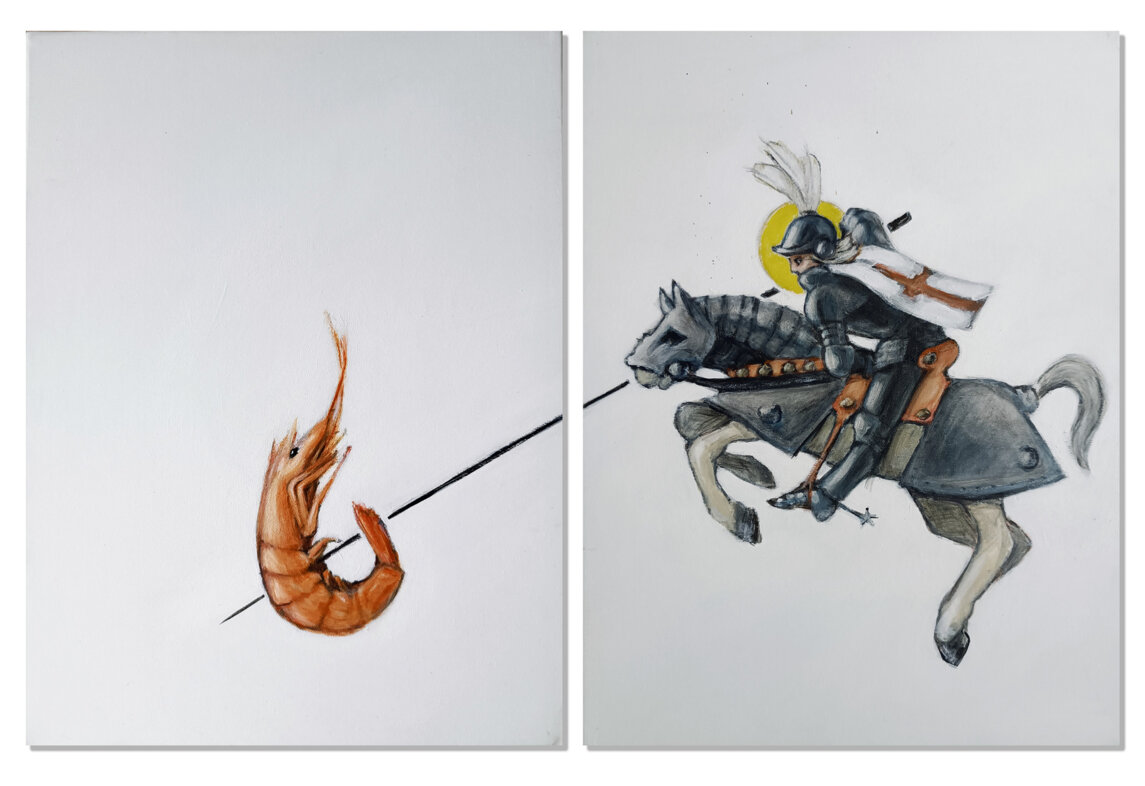
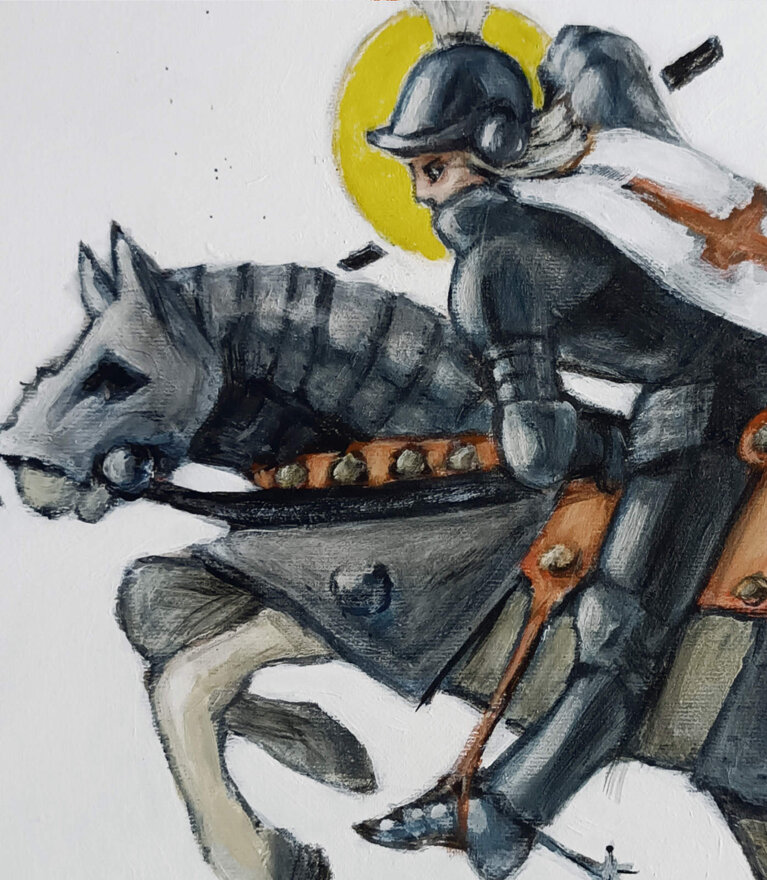
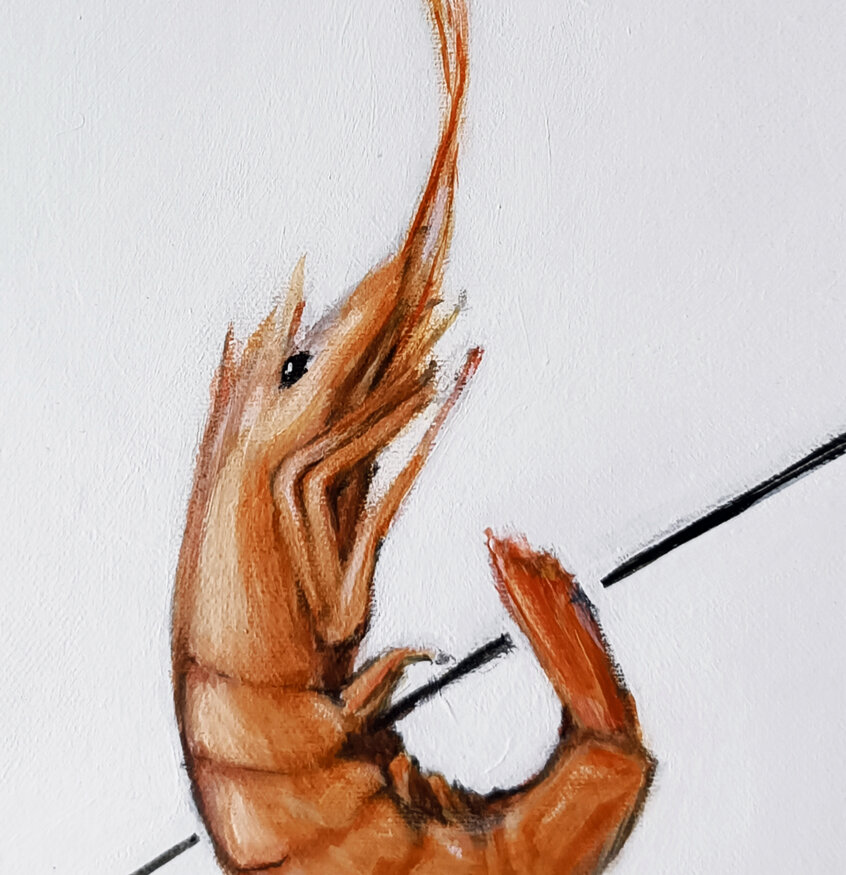
Saint George and the Prawn
diptych – acrylic on canvas
81x30cm
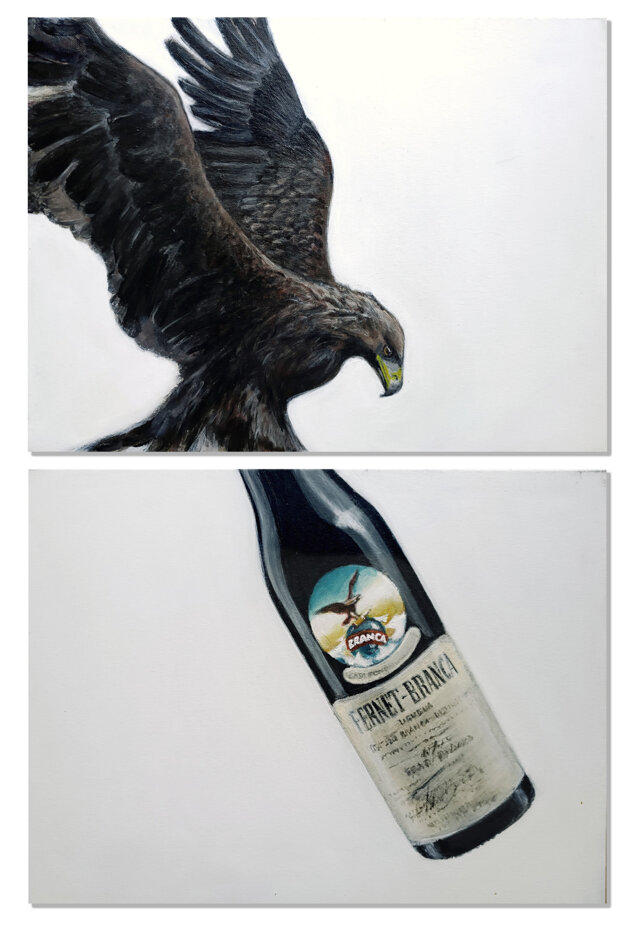
L'Amarquila
acrylic on canvas
diptych - 40x62 cm
ICTYS
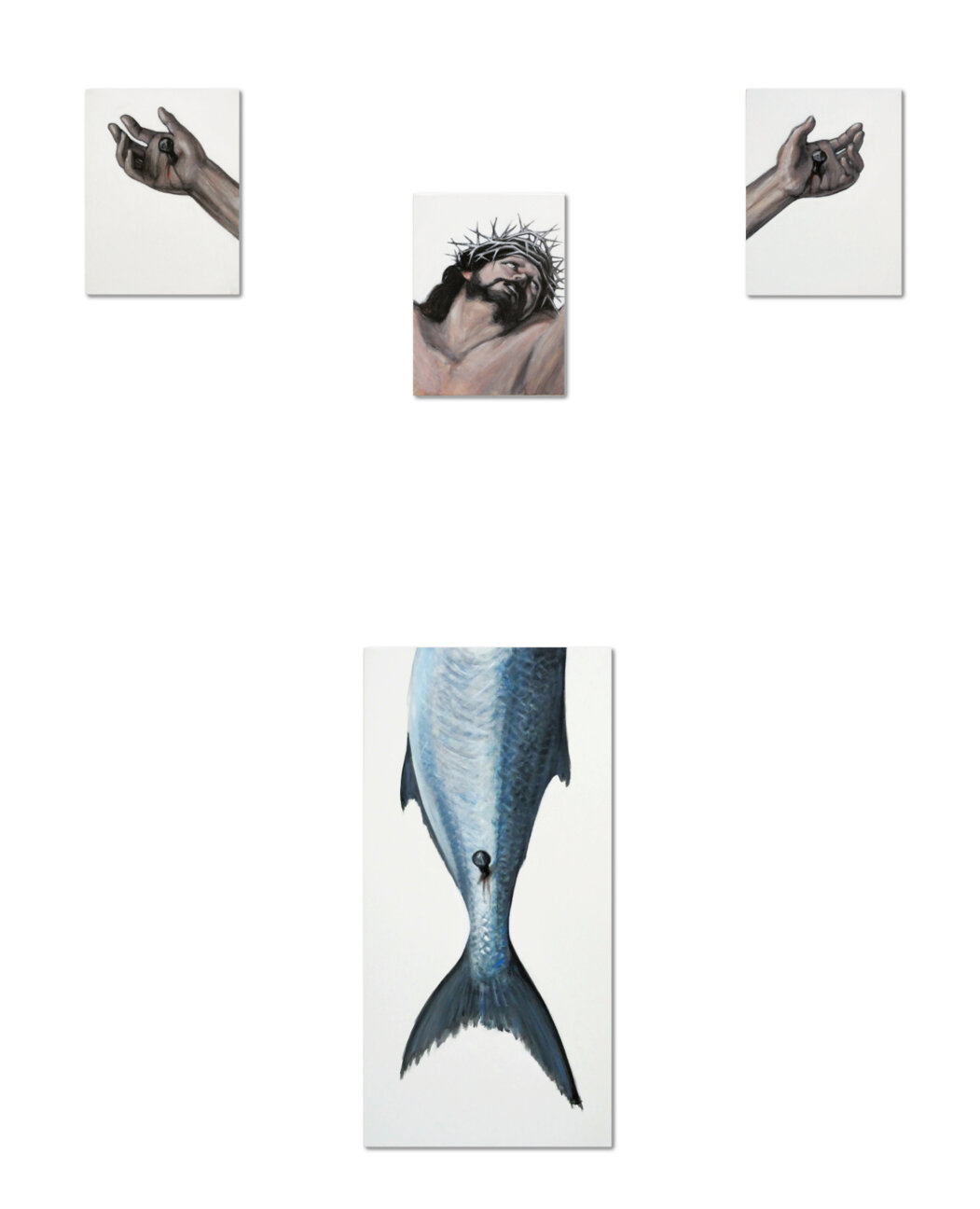
acrylic on canvas
polyptych – 215 × 170 cm
Critical Essays::
Demiurgic Painting in Search of a Perimeter of Safetyv
— by Annalisa Cattani
“This artistic journey by Lorenzo Marabini becomes the ritual of a semionaut searching for a perimeter of meaning across different worlds and ways of being. It is an attempt at readjustment, a kind of Platonic quest for the missing half, evoking a loving Symposium in which one loses and rediscovers oneself through diversity. The tension is both physical and metaphysical, particularly in ICTYS, where the painting seems to emerge from a world that takes us from Minimalism to early Christian art.
A search for catharsis unfolds within a tragicomic existence, finding epiphanic correspondences to fill a sense of time stretched by boredom and the inscrutable. These correspondences seem prophetic, in unison with our present dystopian existence, which closes minds and hearts in the face of an uncertain future, devoid of form or any rational foothold.
The search for a combinatorial order reveals an attempt to rearrange and reconstruct correspondences and spaces for sharing, which become catalysts for new worlds — worlds that are nothing more than different ways of looking at what we are given to experience.
Visual language becomes a transducer of visual-verbal immersions which, like all forms of antiphrasis, become dialectical devices from which new narrative journeys can begin, allowing us to weave stories for ourselves and for others. The wordplays connecting titles and paintings through paradoxical tautologies create new archetypes, carrying us into a “narrative trance” in which we encounter reassuring, hypnotic icons. Here, distant yet kindred worlds come together to restore substance to things and accustom us once again to defining our universes — recovered rather than imploded into the everyday buzz imposed upon us by excessive fear and technology.
Each work contains processes of condensation and displacement which, as Freud reminds us in Jokes and Their Relation to the Unconscious, connect us directly with the deepest and purest part of ourselves: our id, betrayed and domesticated every day in a homogenising, orderly race towards an obligatory nothingness, relentlessly imposed upon us.
And so Quaniglio seems to represent an attempt to halt the fearful and frightened flight of a noble wildness, while iLseparabile, a play on the animal's name and a gesture of assent, seems to underline the false agreement implicit in an amicable parting — the sign of a passion giving way to composure and good manners, because ardour demands too great an expenditure of energy and thought.
Several works also carry a surrealist spirit, among them Make Me Sober, where sex appeal merges with a fleeting botanical atlas, seeking in nature and beauty an antidote to a repetitive exercise in style — an eroticism that finds its remedy and crystallisation only in kitsch.
Echoing this sensibility is Sardina ballerina, which confounds aesthetics, cancelling out or amplifying grace beyond the boundaries of lightness, raising it here to the heights of the spirit — or perhaps of humour? Allegorical machines, units of measurement for the absurd, surveyors of a world becoming a Big Bang.
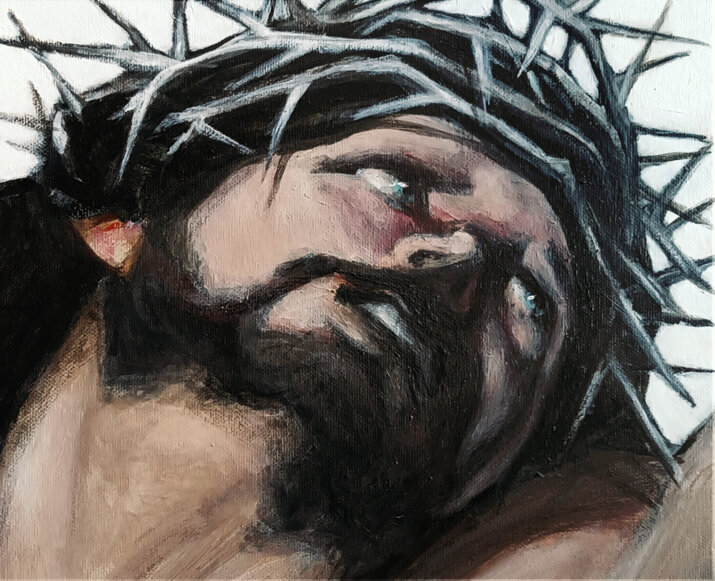
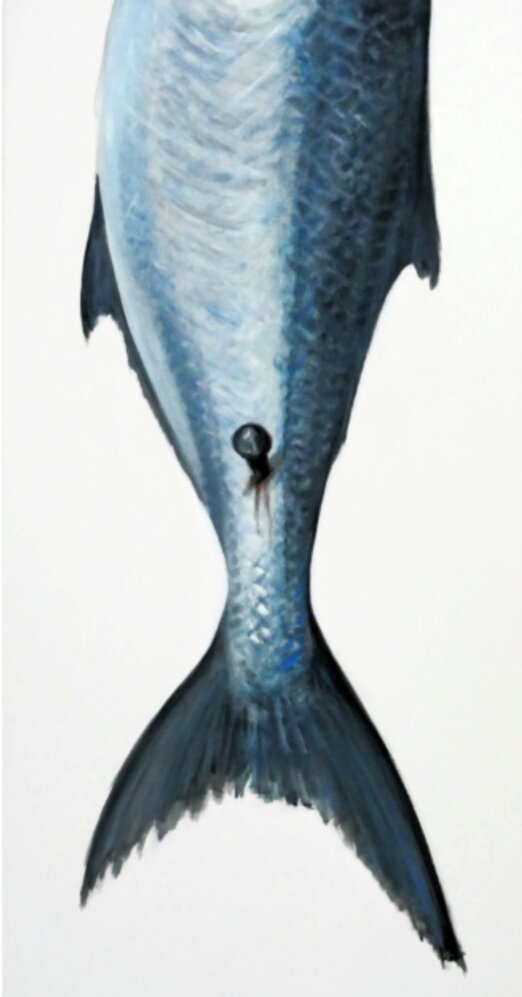
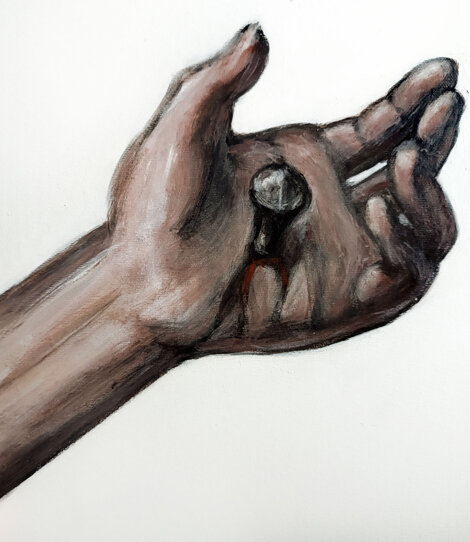
ICTYS deserves particular attention. A polyptych painting aspiring to a transcendental dimension, it brings together the historical substance of humanity's cultural roots and the imponderability of the universe into a unified whole. Here, this encounter is expressed through the apparent paradox of the Son of God made Man... but also “Fish”.
The image of the fish is one of the oldest symbols of Christianity, dating back to the time of the persecutions, since the word itself, ichthys, concealed the acronym for Jesus Christ, Son of God, Saviour (Ἰησοῦς Χριστός Θεοῦ Υἱός Σωτήρ — Iēsous Christos Theou Huios Sōtēr).
Here, Lorenzo Marabini proposes “a semantic expansion of traditional iconography, confronting us with a dramatic snapshot of the contemporary ‘civilised’ world, so resistant to profound connections and yet so incapable of understanding even the most evident relationships between human, plant and animal nature, within a context of mutual necessity and a shared destiny […]”
¹ Sigmund Freud, Il motto di spirito, Bollati Boringhieri, Turin, 1991, pp. 150–151.
² Ibid.
Lorenzo Marabini, the Painter of Exchanges
— by Tobia Donà
“McCulloch, John Ramsay (1789), statistician and economist, was a free trader. Oppenheim, Heinrich Bernhard (1819), academic and political refugee, was a member of parliament and a free trader. Prince-Smith, John (1809), member of the Prussian House of Representatives, was a free trader. Devas, Charles Stanton (1848), taught political economy at Stonyhurst College and was a free trader. Neumann-Spallart, Franz Xaver von (1837), economist and statistician, was a free trader. Hübner, Otto (1818), Austrian merchant and financier, was a free trader. Bowring, Sir John (1792), politician and writer on politics and economics, was a free trader…”
To reinvent, to breathe new life into things. To represent them once again, differently. To give them substance, to make them real. And finally, to mix everything together, to exchange, so that we may realise — and find comfort in the thought — that everything is fine, that everything works just as well.
A committed believer in exchange, understanding it as an act “carried out with the aim of acquiring something whose utility is considered greater than that of what is given in return,” Lorenzo Marabini practises an art that is neither denunciation nor tedious protest. It does not seek to draw attention to events or injustices, following the fashionable chorus echoed indiscriminately by many internationally renowned artists and newcomers alike.
Lorenzo is pragmatic, intelligent. He has studied philosophy and communication and has worked extensively in advertising. His work strikes us directly, as swiftly as a train at full speed. It shakes us and devastates us, because we realise that everything must change, and that there are no certainties.”